
Properties of algae.
Dishes with seaweed
2017 has many new features in store for the food scene, not least the dishes with seaweed.
We may have just touched on 2017, but it's been an exciting year for those who love seafood and its many cousin dishes. In addition to the usual suspects like ceviche or octopus leg sushi, we're seeing more creative chefs experimenting with incorporating seaweed into their cooking!
Some of these innovations include adding wakame (seaweed) as a topping to salads instead of green salads - or even making tempura that includes bits of fresh nori instead of flakes. As if all this wasn't already enough - stay tuned because there will always be something new coming.
In fact, it seems that, long after the Japanese chefs, our Italian chefs have also discovered how edible seaweed is.
Dishes with seaweed
Seaweed is delicious but it is necessary to prepare it well in order to enjoy it satisfactorily.
Seaweed may seem like an unpleasant food, but it's actually one of the tastiest and healthiest foods there is! You just need to know how.
-Seaweed can be found in Asian grocery stores or online (and is frozen). They are usually sold by weight, so check your package size before purchasing - smaller ones are better because they will cook faster/easier when making sushi rolls or other similar dishes; larger sizes may last longer if all ingredients are not used right away.
In fact, it is not possible to think of eating a dish of seaweed that is not well seasoned. Furthermore, it must be remembered that each type of algae has its own specific characteristics. This is why some of the most well-known and widespread types of algae are presented below.
And not only that: they are real "reservoirs" of nutritive principles such as iron, magnesium, vitamin B12, iodine, calcium and potassium. Eating seaweed seems to be very good for your health. So you can enjoy a good dish of seaweed in order to also improve your iron levels and the like in your blood.
Algae are also rich in fibres, which effectively makes them "scavengers" of the intestine. It is therefore clear that they have different properties.
Equally "hygienic" are in their function as antioxidants: they cleanse the body of free radicals. In fact, if they are not reabsorbed, they weaken the immune system and even favor the onset of cancer.
But the properties of this variety of maritime plant do not end there. In fact, algae are already known to be purifying and not polluted (the risks of intoxication for those who eat algae therefore tend to be zero).
From inside your gut to soups and side dishes, seaweed is a vegetable you should eat. This macro-nutrient-rich superfood has many health benefits, including aiding in weight loss! Seaweed can also be an excellent addition to any dish or incorporated into foods such as tamales, where its savory qualities add flavor without adding calories.
The outer (referred) layer may seem bitter at first, but this disappears once cooked giving too much umami which makes these treats perfect as snacks.
Types of seaweed and in which dishes with the most popular seaweed
Dishes with seaweed
But seaweed, as well as being healthy, can also be tasty. So let's see what they are and where to use them as ingredients:
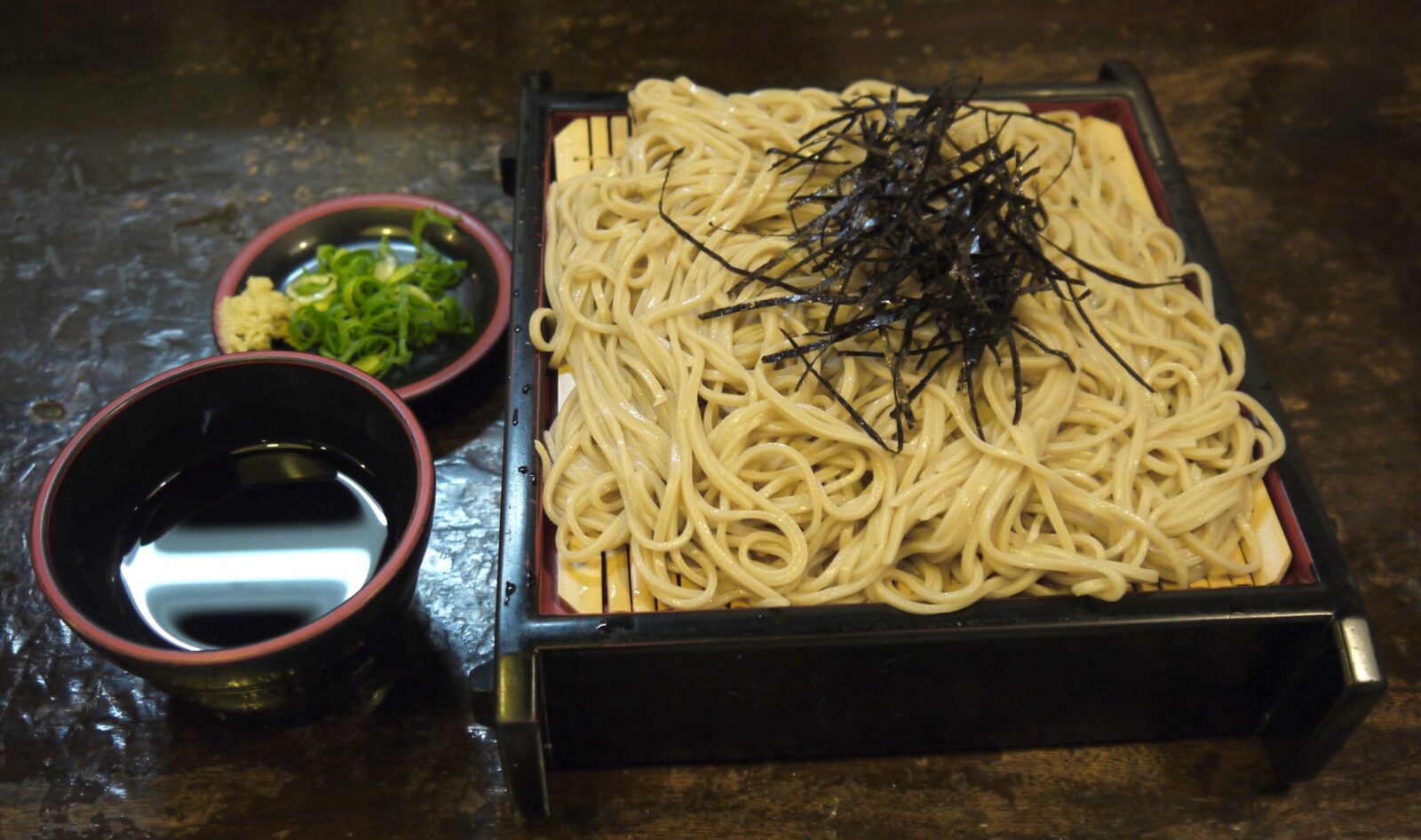
- nori: a black, sticky algae, which however is right for you if you have a Japanese restaurant. In fact, with nori seaweed you can create sushi maki. However, if yours is a common European restaurant, don't panic: it will still give added value to your fish broths. This algae also goes perfectly with basmati rice, better if added to soybean sprouts and pumpkin seeds.Its unusual color shouldn't make you suspicious: spirulina is a popular ingredient in many Italian recipes, including tagliatelle and fusilli. But this algae with beneficial and antioxidant properties also appears in biscuits, coconut water, smoothies, and bites with spinach
Dishes with seaweed
Seaweed, in addition to being healthy, can also be tasty.
The consistency of seaweed is comparable to that of a rubber band when chewed with a full mouth; they are soft but have a certain elasticity between bites, which makes the experience pleasant! Seaweed contains many nutrients such as vitamin C and B vitamins that help promote good health because they are rich sources of fiber (especially laminarin), minerals including iodine intake from raw or cooked shellfish as protein - all very important things that we need every day.
Dishes with seaweed: discovering seaweed
- kombu: this Japanese seaweed, in addition to the already known benefits of seaweed, has that of being alkalising and therefore regularizing the body's pH. It can also be used on two gastronomic fronts: the Japanese one and the vegan one. In the first, kumbu seaweed is an ingredient in azuki soup, in the second it is the filling of vegan ravioli. Still on the vegan front, it is very popular in seaweed dishes with vegan burgers
- wakame: very popular seaweed in vegan cuisine, where it is widely used. It can be enjoyed in all states: raw, cooked, crumbled after baking, as an ingredient in a vegetable cream. In fact, it makes a good impression in celery cream, in arancini, as a condiment for fish sticks, and in roveja and mushroom sauce. Kelp is also the active ingredient in numerous food supplements due to its beneficial properties on metabolism. When dried it is widely used in vegan salads. It is also the added value of soups and pasta and beans (of which it enhances the flavour)
Comments
No comments yet. Be the first to comment!
Leave a Comment