
Covered? What is there to know? It is one of the things that annoys the most, especially to tourists: not surprisingly, it only exists in Italy. But what is it?

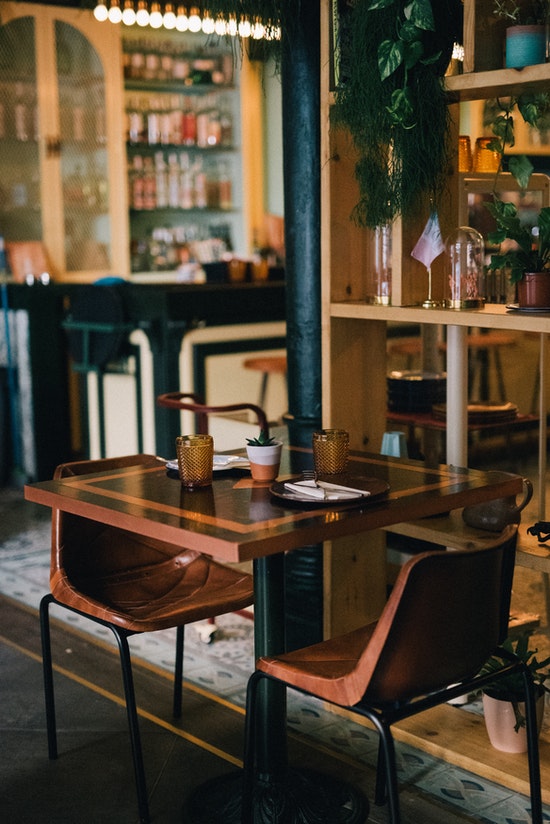
It is the cost of provisioning. It is the space with all the objects that are prepared for a single diner: it includes crockery, cutlery, glasses, tablecloth, napkin and, in the case of formal equipment, many other pieces.
Also add the cost necessary for subsequent cleaning and bread, in order to give greater justification to the additional cost required. It also includes the qualitative typology of the service rendered, meaning with this expression the particularity of the restaurant itself, the professionalism of the staff and the additional services not quantified in the bill.
The origins of this “tax” date back to the Middle Ages, when with it he meant the contribution they paid to the owner of the inn diners who consumed food brought from home using tables, chairs and cutlery in the room. If, however, food was consumed prepared by the innkeeper, the "cover charge" was already included in the final bill.
Do not confuse, however, the cover charge with the service, which varies from 15 to 20% of the total and originates from the past when there were no employment contracts and the staff were paid a percentage of the orders of customers and tables served. At the time, the service was, in fact, the salary of the waiters: it is paradoxical that this item has remained even today, despite the waiters being regularly paid.
Cover charge at the restaurant: is it legal?
The dilemma that has afflicted consumers for years is: is cover legal?
The problem is that, although it is a charge that may seem specious, no law prohibits it, as long as it is specified in the price list.

The issue must be regularized at the local level, from Regions or municipal administrations: some have dealt with it, others don't. Any examples?
A subsequent regional law of 2006 still prohibits the so-called "bread and cover charge", but allows the item "service": if the delivery service is carried out at the table, the price list must be made available to customers before ordering and must indicate any component of the service in such a way as to make the price clearly and easily understandable to the public, prohibiting the application of additional costs for the cover charge.
At a national level, the rule is that traders must display the license, authorization and price schedule on the premises, in a place visible to the public.
Until then, the cover charge must be paid, without prejudice to the fact that, if there is a suspicion of illegal acts committed by the restaurateurs, any report must be presented to the traffic police.
How much do you send to the restaurant?
How much do you spend at restaurants? What if we could automate the cost of a delicious meal to only go up every time there is a new menu, or due to inflation.
I'm not saying this will happen anytime soon, but imagine being able to order your food from anywhere without needing human interaction!
Want to go out for dinner but don't know where? Well, there are many places in the city that have great food. One way is to check online reviews and see what kind of ratings they get from users like you! If all else fails, just ask someone who has been there before, who will be able to tell which restaurants always keep their word (and then some).
Eating at a restaurant is not only delicious but also convenient. You can take your time to enjoy a good meal without having to worry about cooking or cleaning up afterward, because it's already done for you!
As mentioned at the beginning of our article, the cover charge only exists in Italy, but despite this, eating at the restaurant remains super convenient.
Read also this article
Comments
No comments yet. Be the first to comment!
Leave a Comment