
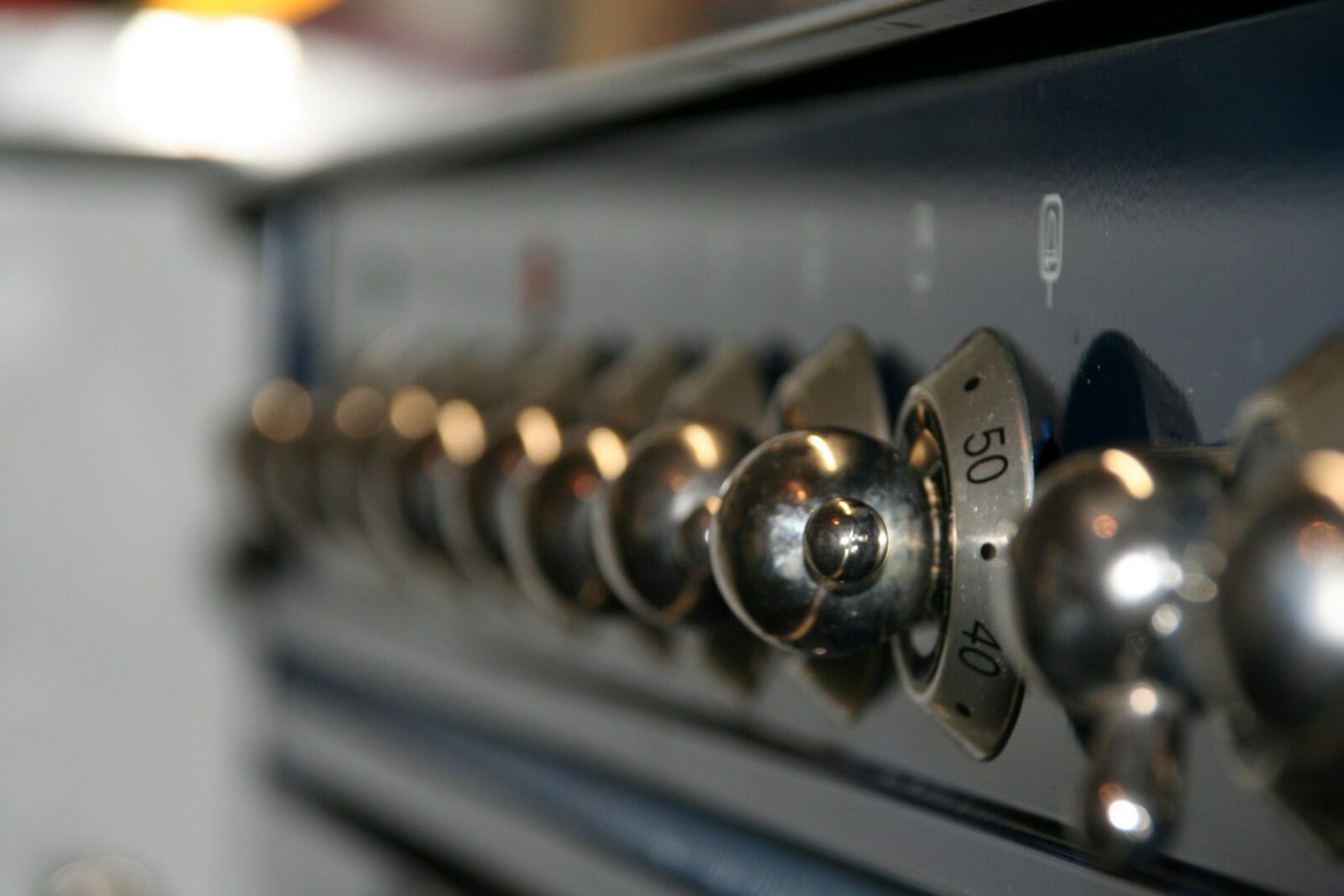
Static oven: What is the difference compared to a ventilated oven? What are its advantages? If I have a bar, a restaurant, a pub or a pizzeria, which one should I use? Let's see together what it means to cook a dish in static mode, what the main oven symbols are, and what the difference is with ventilated cooking.
Let's examine in detail:
What does static oven mean
- The static oven cooks mainly by conduction and radiation.
- The cooking chamber of the static oven is heated on the upper part (top) and on the cooking base (floor).
- On the static oven you can cook pizza and bread directly on the refractory surface or on a baking tray.
Static oven: Differences compared to the ventilated oven
Heat spread
The static mode is the most traditional form of cooking, similar to that of ancient ovens which received heat from fires positioned inside the cooking chamber. More specifically static oven what does it mean? Below are some of the specifications of static ovens so as to be able to distinguish them from ventilated ovens. You can easily understand when it is better to choose one type of oven rather than another.
A home kitchen is generally more inclined towards choosing a self-ventilated electric oven. But what does it mean? Why do all these differences exist? Let's figure it out together.
The electric resistances allow the oven to heat up and the food cooks in an oriented way: the parts of the food placed near the heat sources will cook first.
In static mode the oven heats slowly, allowing you to manage optimal cooking even of the internal part of our dishes.
With the static oven it is advisable to always remove the drip tray, because it would prevent the correct diffusion of heat and, consequently, the correct cooking of the food.
The ventilated mode has become widespread thanks to the introduction of electric ovens, in which a fan spreads the heat produced by the resistances uniformly, shortening cooking times.
Static oven: Suitable dishes
The great advantage of the static oven lies in its versatility: it is adaptable to all types of products.
On this type of oven you can cook pan-baked dough, both savory and sweet, but also delicatessen products.
Cooking in static mode is slower and less uniform, but also less intense. Therefore it is perfect for all leavened preparations which require delicate and less aggressive cooking, which allows bread, pizzas and desserts to continue to rise whilst completing the cooking of the internal part at the same time.
Also ideal for sponge cake and meringues.
On the other hand, the fast timing of the convection oven makes it suitable for dishes that should have a crust on the surface and a soft interior, since it cooks by convention, reaching every corner of the oven.
Some examples are: baked pasta, such as lasagna, roasts, fish baked in foil, vegetables au gratin and tender-hearted desserts.
Static oven: further features
After understanding some of the main characteristics that define a static oven, let's try to delve deeper into the discussion. The static oven cooks food by radiation. The heat inside a static hole is propagated from one or more sides simultaneously providing a complete and high-performance cooking method. Compared to other types of ovens, the static oven provides slower but more uniform cooking. For this reason it would be advisable not to cook multiple dishes at the same time if the static oven mode is activated. As mentioned, leavened products are perfectly suited to cooking in a static oven since the food will cook more slowly and more evenly and will have plenty of time to achieve the desired final result.
The temperatures of the static oven
In general, a difference of at least 20°C must be considered between static and ventilated cooking.
Usually the maximum temperature used in a ventilated oven is 150°. On the contrary, the static oven can even reach 220° or more.
What if we don't have the oven we need?
If you only have an oven without a fan and your recipe requires ventilated mode, you can increase the recommended temperature by 20 °C while maintaining the same cooking time.
Similarly, if you only have a fan oven and you need to prepare a sponge cake, you will have to cook it for the same amount of time but raising the temperature from 180 °C to 160 °C.
A useful trick for cooking a leavened product is brushing the surface of the product with milk, beaten egg or melted butter, in order to delay the creation of the crust which would block the growth.
Some tips for best cooking dishes in a static oven
As mentioned, based on the type of oven it is possible to choose to cook a specific type of dish. But what to do if you need to prepare a soft sponge cake but you don't have a static oven? In these cases it is possible to use some small, very intuitive tips. With the right precautions it is possible to obtain any type of result. Without changing cooking times. So if we wanted to prepare a cake and make sure that it is soft but well cooked on the inside, it could be useful, in the absence of a static oven, to lower the temperature. Generally, such a dish cooks in a static oven at a temperature of 180 degrees. All you need to do is lower the temperature to 150 or 160 degrees.
Another tip for making soft and delicious preparations is an old "grandmother's" remedy. All you need to do is place a bowl filled with water on the bottom of the oven. In this way the dishes will be softer and will finish rising during the cooking process. In any case, whether you use an oven in static mode or an oven positioned on another mode, it would be advisable to avoid frequently checking the cooking of the food. The process of opening the oven could damage the cooking.
Cleaning the oven
Cleaning an oven is an essential procedure for it to be able to promise homogeneous and functional cooking. Keeping this kitchen tool always perfectly clean is very important in order to ensure good functionality over time. Learning how to clean your oven is essential in order to guarantee its technical and qualitative capabilities. If the oven surface is refractory, it is necessary to heat the oven to 400 degrees and scrape away any residual dirt. For this reason, please remember that this type of operation must be carried out periodically. Therefore it is advisable not to underestimate this operation.
Oven in static mode: universal oven
Generally, when we define a type of static oven we are referring to a universal, widely used accessory. This is the main type of oven found in almost all home kitchens. Simple to use and capable of providing perfect cooking for many types of products and dishes. Talking about an oven in static mode means referring to a type of oven capable of producing perfect cooking, especially leavened dishes.
The symbolism of ovens
Whatever type of oven we decide to purchase, it is necessary to understand its symbols. Each symbol indicates a different functionality. The most common symbols in a static oven are: grill, pizza symbol, bread cooking symbol, ventilated cooking symbol or slow cooking symbol. Each icon has its own utility. Learning to distinguish the various types of symbols allows you to more competently choose the best oven for your needs. Whether we decide to purchase a Nardi oven rather than a Whirlpool oven, it will be necessary to understand how to use all the icons based on different types of preparation.Each sign promises a different functionality, a different heat propagation and a different form of cooking.
Comments
No comments yet. Be the first to comment!
Leave a Comment