
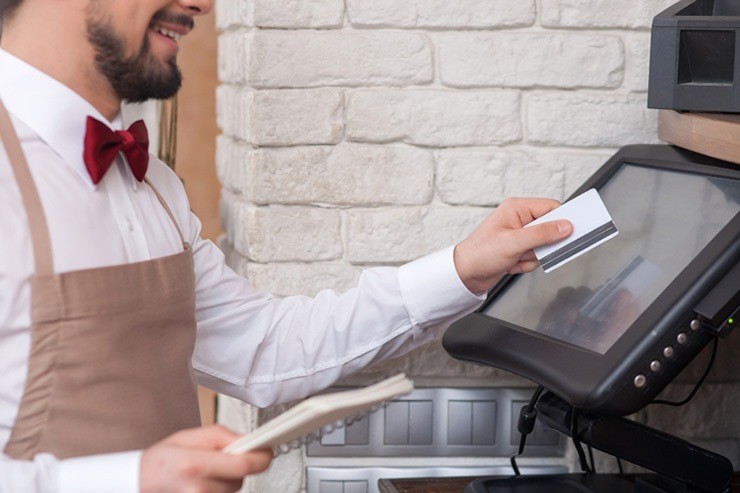
Digitization of restaurants
The restaurant industry is experiencing an exciting time as it moves into the digital age. The shift from a traditional menu to iPads, smart-phones and other technologies will provide more options for customers who want something specific or different from what others are eating at the time.
Recent changes within the food service industries have allowed businesses like restaurants across America more flexibility when it comes to what consumers can order from their menus thanks largely to this new type of innovation known as "digitization." Restaurant owners at all levels seem pleased with how quickly things are moving forward, considering it's been just three years since most establishments began installing these digital systems.
Hoping to better understand the trends in technological updating among operators in the restaurant sector, more than 300 managers were interviewed. But not only that, but also waiters, owners, bartenders and chefs across the country. On the list, more than half worked in full-service businesses. But they were still present with takeaway or self-service businesses, bars and nightclubs, food trucks, as well as cafes and pastry shops. Furthermore, more than half were single-premise businesses.
While a quarter managed two to five different establishments. While fewer and fewer were distribution chain type businesses. In recent times we are starting to feel an increasingly strong need for the digitalisation of restaurants. For a long time this possibility was underestimated. But in the last period some needs have changed.
Why is the digitalization process of restaurants implemented?
Digitalization of Restaurants
Many restaurateurs underestimate the possibility of technologically updating their business. This is especially true with regards to its management.
Keeping up to date technologically is imperative for the restaurant business. The last thing you need when running things smoothly at home and on site, as well as marketing your business online can be slow internet service that makes everything difficult or impossible, including customers finding out what's available in their area through social media feeds.
Digitization of restaurants
A strong technology base automatically handles most tasks without staff assistance which frees up manpower for other important work tasks such as cooking food on high heat sources such as the open flame gas burners found in modern kitchens today rather than using countertop appliances because they generate higher monthly bills just for energy consumption.
The results demonstrated how industry players seek assistance when they want to identify and make better decisions when it comes to technology choices, especially in a market constantly flooded with new products and solutions arriving every day.
Digitalization of restaurants
The study showed that most restaurants plan to upgrade their technology within the year, while almost half are dedicated to monitoring their business results and sales data; there are also many who look at "advanced features" and "ease of use" as their main reasons for replacing existing methods or software; they currently get paid by two to five different technology solution providers; the features most sought after by restaurateurs are: warehouse management about a fifth of operators, systems for taking online orders, and compliance with PCI.
In this way the digitalization process of restaurants increases considerably and produces many positive effects.
When asked what the biggest challenge is for their restaurant, almost half say it is hiring, training and retaining their staff.While the study notes that technology can aid in training and other challenges, a restaurant's culture should be cultivated within itself.
The vast majority say they currently use POS software to manage transactions and operations. The classic cash register is slowly losing its footing.
Digitalization of restaurants
For the topic of replacement to technologically upgrade existing methods and software, one third chooses advanced features as the main reason for switching to a different system. “Easy to use” was the second reason.
Four out of ten respondents indicate increasing their efficiency as the most important technological advantage. A small part considers cloud systems useful and fundamental. The managers interviewed were more concerned about efficiency, while the owners were inclined to worry about safety issues. In this way it will be possible to promote some typical restaurant services more quickly. We are therefore talking about a type of service that is organized in the most technological and modern way possible.
As regards the method of keeping up to date with new technologies, much more than half responded that they prefer emails, while a small part relies on mobile communication. Great way to communicate.
On reports or commercial reports of sales data, almost half check them every day, while medium-sized businesses (from 11 to 20 premises), check them every month.
Inventory management, online orders, and PCI compliance are solutions considered unimportant, as is the updating of POS tools.
You might also be interested in: How to manage orders on RistoManager information
Comments
No comments yet. Be the first to comment!
Leave a Comment