
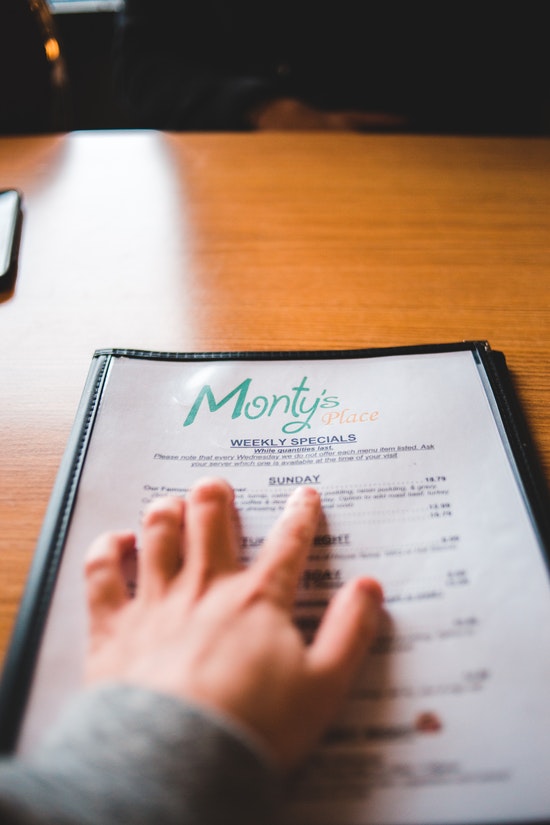
Fixed menu restaurant: why is it convenient?
The prix fixe lunch menu is a great way for restaurants to ensure they don't overcharge their customers. It also gives you peace of mind knowing what the average cost per person will be, meaning no surprises when it comes time to pick up the bill!

When we talk about fixed menu restaurants we are referring to an excellent way to increase customer satisfaction and loyalty. restaurateurs who have used this solution for years agree that it works well, while others are still undecided about its effectiveness or professionalism
The benefits of having a fixed pricing system in place means you can more easily control your costs; which benefits both customer experience and their wallet!
The opinion of restaurateurs is conflicting
Setting a fixed price menu may be seen by some restaurateurs as an attempt to "empty the fridge". Not giving customers any opportunity to choose means that they are forced to eat only certain dishes in their meal, not to mention the economic issue: Some believe that it will increase when you give people opportunities or incentives, but this is not always true. For these reasons it is clear to understand that there are conflicting opinions regarding the fixed menu restaurant topic.
Restaurateurs believe that giving customers no choice other than certain dishes forces them to eat everything that is offered and can make a financial loss.
In some cases, although this is not always true in reality, with many variables in play such as the amount of food people order when ordering a la carte or the type of business you have (whether it is fast food or sit-down restaurant), this could actually increase your revenue if you sell large quantities such as Chinese food takeaway, where there isn't much per person compared to for example high end wines which may require around 2 glasses each time.
But let's see specifically what the advantages and disadvantages of a fixed menu can be.
Fixed menu restaurant: advantages
From the customer's perspective, the fixed price menu is more likely to be consistent than an à la carte system. It is also less likely to make them dissatisfied or angry with what they receive because it has all been planned in advance and there are no surprises (other than prices changing due to market conditions). From an organizational point of view, using this option means less work on your part, since everything will have been calculated in advance in a single price and you will not need many people entering information about different dishes.
Specifically, the advantages of a fixed menu restaurant are related to:
- Kitchen organization and costs: The fixed menu is an "empty-fridge" type, and there is nothing wrong with that. Preparing pre-established dishes allows you to optimize the use of raw materials while avoiding waste; but also to provide variety so that customers can be satisfied with what they are served - especially because cooking a dish again would make it too easy! Additionally, staff are able to organize themselves better both inside the dining room and outside, where kitchen teams work during shifts, reducing the amount of time each individual working on duty needs at any given time.
- Speed and convenience for the customer: A fixed price menu is a great way to save time and money! It also helps reduce food waste because the customer knows exactly what they are getting. Fixed-price menus are also perfect for busy lunches where customers don't have much free time before returning to work; ordering from this type of set menu can be quicker than deciding which dish you want from an open selection - and save money too, by not having to use vouchers or payment cards in advance (you only pay once at the table).
Fixed menu restaurant: disadvantages
Fixed menu restaurant
The first and most banal disadvantage that makes ordering à la carte during the lunch break not very convenient, both for restaurateurs and for customers, is time.The length of the meal (usually an hour), combined with the little time people have available in their work schedules, means that this option doesn't make sense, unless you're willing to risk finding another customer who wants what they serve or finding yourself waiting very patiently next to an empty table while someone else eats their food.
Furthermore, when customers order only one dish, they can quickly become dissatisfied and much less likely to return. And given that the average restaurant receipt is already low due to the fact that many people order fewer dishes than their original intention of dining out on their lunch break, this makes a la carte options an unwise choice even in economic terms!
You might also be interested in: Engineering menu: what is it?
Read also this article
Comments
No comments yet. Be the first to comment!
Leave a Comment