
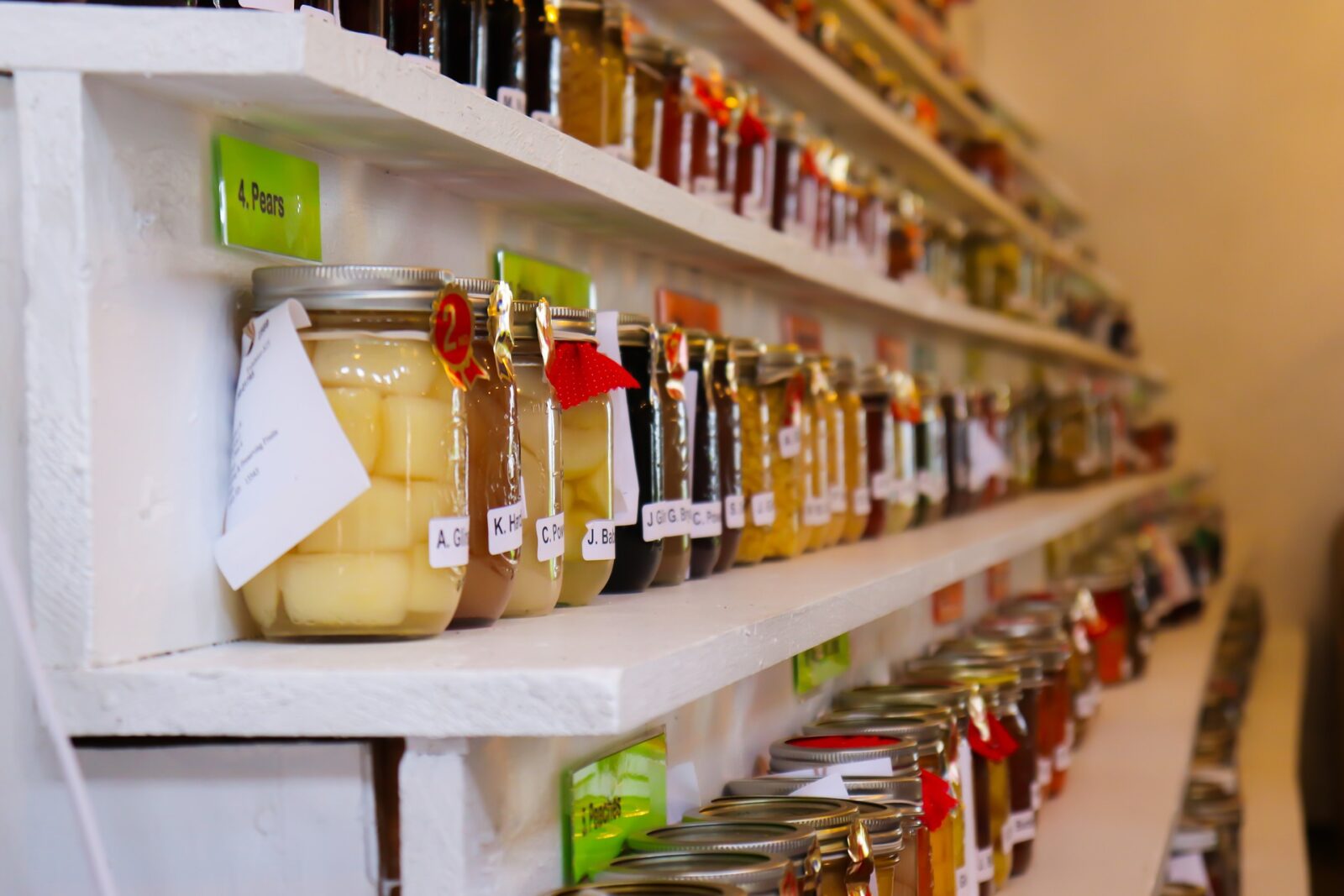
What are we talking about when we refer to food packaging? Here is some information to understand why they are so important. Whether we are referring to a restaurant kitchen or home cooking, it is essential to have this food packaging. But how are they made and what are they for?
There are many things that go into creating these packages, from aesthetic design to using eco-friendly materials like cardboard or reusing plastic bottles for tomato sauce containers, to figuring out how much ink needs to be printed on each side so it never leaks when you open the pizza box!
What is food packaging used for?
What is the usefulness of food packaging? First of all, it must be stated that these are containers specifically used to contain, protect or actually package certain foods. The packaging can be placed both during delivery, when the seller brings the goods to the restaurant, and after they have already been opened during preparation in the kitchen. In short, there are different types of food packaging but each type performs a specific task.
The most important function of food packaging is preservation. The chemicals in a package protect the product from damage and make sure it tastes good even when it is stale or old.
Packaging helps us eat our meals on time, reduces waste by limiting consumption until we are full, makes spoilage less likely because bacteria cannot grow near the sterile conditions found inside packages - this includes things like glass jars which have been used since biblical times to preserve goods such as apples!
The quality and freshness of a food does not only depend on its origin, but also on the way in which it is preserved. This is why it is very important to pay the right attention to this issue.
To be clearer we could say that food packaging is nothing more than wrapping to protect the quality of certain goods.
Types of food packaging
There are different types of food packaging on the market. We could try to simplify the matter by stating the distinction between three large categories of packaging:
- primary (for sale)
- secondary (multiple)
- tertiary (for transportation)
The characteristic that all these types of packaging have in common is that they are all aimed at protecting food, preventing influences from the external environment from deteriorating or ruining it. The quality of a food product also and above all depends on the way in which it is preserved. Depending on whether it is a food for the fridge or for outdoor use, it is necessary to preserve everything in the best possible way by applying the right protections.
Features of food packaging
To be functional, packaging must comply with the following prerogatives:
- must contain the product entirely
- must allow the product to be preserved for as long as necessary
- have a formation that allows it to be transported
- must be made with specific materials capable of preserving freshness of the food.
The best materials for preserving food are: glass, metal, paper or cardboard. Depending on the type of food that needs to be preserved, it is necessary to choose one material rather than another.
Already prepared foods should be stored in clean, closed containers with lids. In this case it is very important to wait until they have cooled before placing them inside a container. They will be stored in the fridge. If you want to use films for preserving products, it is advisable to make sure that they do not contain too much fat. If this is the case, it is advisable to prefer glass containers.
If we choose aluminum it is good to know that the contact of this material with foods that are too acidic can prevent the food from being properly preserved. In this case, in fact, the nutritious properties of foods could be altered by aluminum.
Comments
No comments yet. Be the first to comment!
Leave a Comment