
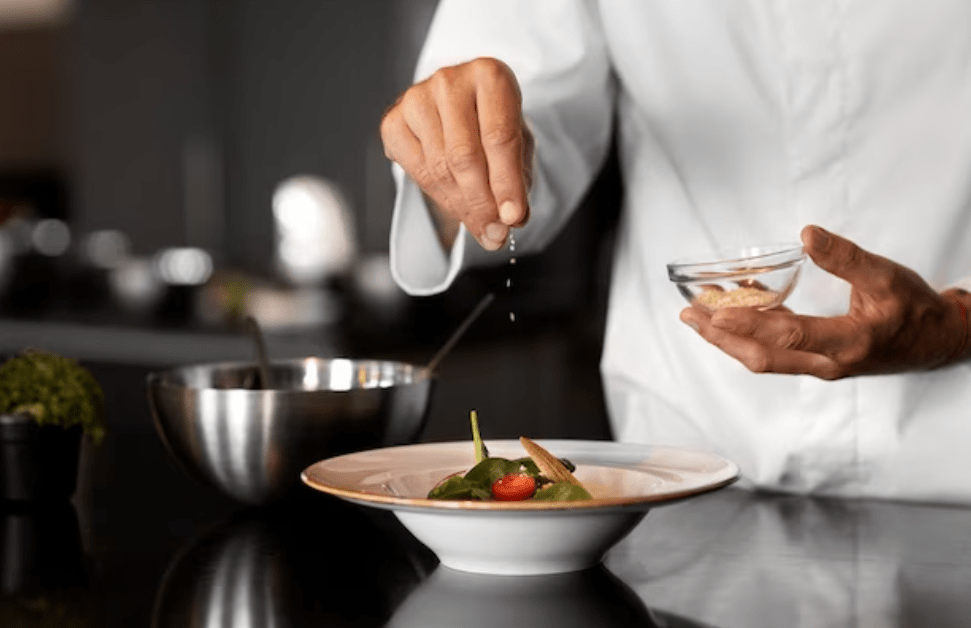
Novel food. Have you ever heard of novel food? We are here to explain what it is.
The European Union has recently introduced new regulations for food products. These are characterized by globalization, the wealth of different populations and more specifically by a greater attention to nutrients and their sources that can provide them in modern living conditions where deficiencies may occur due to less access or greater expense associated with obtaining these essential elements necessary for survival.
New foods must meet certain criteria before being allowed onto our plates - they just need to be consumed "in relevant ways", so there's no reason why we shouldn't try something different!
Novel food: what is it?
Novel food
The food industry is always trying to come up with new and exciting dishes. Some of these innovations include organic produce, vegetarian options for meat eaters who want greener practices in their diet, or even alternative healthy lifestyle choices like intermittent fasting!
The history of food is a story that has been repeated many times all over the world. New innovations, such as chia seeds or seaweed-based foods, have only arrived on European shores recently, but in fact these types of cuisines long ago made their way from India to China, where they were first domesticated for human use before spreading to other parts of the continent
This same process occurred when Columbus landed in the Bahamas: he discovered new hardy plants such as tomatoes which became popular due to his success in growing them there – this led other scientists to explore ways to grow them further north. The principle is the same today too!
What's new...
Novel food
The search for new sustainable nutrients has led to a balance between human need and environmental impact. In light of the growing attention to sustainability issues, coupled with the growth of the world's population increasing the demand for food, it is no wonder that many are turning their eyes towards plant-based sources such as vegetables or legumes!
Common strategy aimed at identifying new sustainable sources in a "green" transition perspective with low environmental impact, the EU 2020-30 action plan for food systems has identified insects as an often overlooked protein source. Insects have been part of our diet since prehistoric times and were consumed by some cultures such as Asian or Latin American even then!
The consumption of insects, however, is not without controversy; while it can be viewed positively from one perspective (protein intake), there are also significant negatives that come along with it - such as potential allergies/allergens. However, that doesn't mean we shouldn't explore these options further, because who knows where else it might take us next?
A little history
Novel food
Turning point for the edible insect sector in Europe with the first historic step taken last June.
A turning point has been reached in the European Union (EU) regarding the food consumption of certain types of insects, after an opinion issued by EFSA on 13 January and the request made by French producers earlier this year led to the publication of Implementing Regulation 2021/882 which allows these foods to be produced under strictly controlled conditions with prior approval, but only if they meet all the requirements set out within its rules and regulations.
Insects are no longer just a tasty addition to the diet! They can now provide protein, iron and other minerals.Whole dried insects will soon be available for purchase in grocery stores, so look for them when you go shopping or prepare your own at home by following these simple steps:
The new food has been approved by European Union authorities who consider it to meet all allergenicity requirements due to its potential allergic properties for people whose immune systems have already responded negatively to shellfish/house dust mites.
Novel food
The European Union has just introduced the first ever regulation on edible insects! This historic move will establish harmonization among member states and protect consumers from unsafe foods. The Novel Food Regulation also gives applicants a license to market these new products for five years in any capacity.
Locusts may soon become a new food option for humans! After member states voted in favor to put migratory locusts up for sale, it was natural that Brussels would also approve them. The European Food Safety Authority (EFSA) has already given its blessing and conclusions based on consumer safety tests conducted with these insects; they are quite safe even if you eat more than one or two pieces a day.
You might also be interested in: Chinese food for your own restaurant: here's how to be successful
Read also this article
Comments
No comments yet. Be the first to comment!
Leave a Comment