
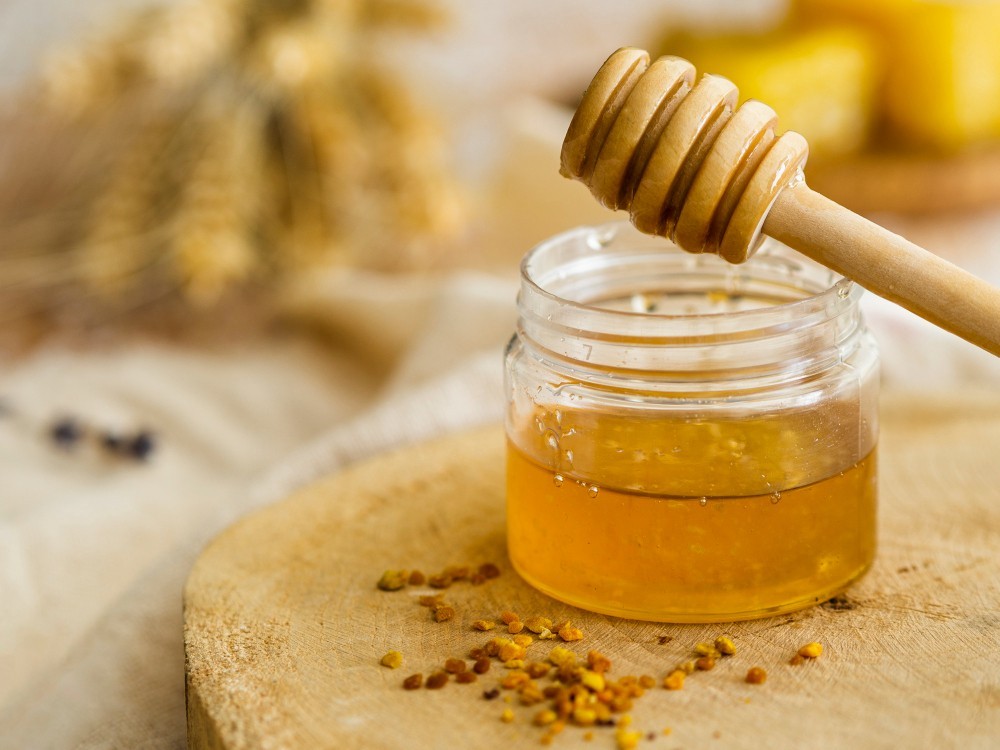
Organic honey is an ingredient that is often underestimated in the kitchen. Its use in preparations, in fact, is limited to pastry making in most cases. Even in this context, however, honey is not exalted but used as a substitute for other sweeteners.
This skepticism on the part of chefs is due in particular to the aromatic bouquet which is difficult to manage in the different recipes. However, if used wisely and dosed correctly, honey can be an excellent ingredient to give an extra touch to savory preparations, especially those based on meat or cheese. In any case, it must be considered that there are different types of honey, with different flavors and characteristics also due to the quantity of sugars present. Whatever its use, it is always advisable to opt for organic honey, produced using environmentally friendly techniques.
What is organic honey?
Organic honey, like that of Miele Ada, is an ingredient produced following the dictates of sustainable agriculture and respectful of the environment, rich in nutritional properties and particularly aromatic. In fact, to obtain it, organic beekeeping is used, which respects the life cycle of bees and follows rather rigid dictates. The organic agriculture regulations concern the bee nest, its position, the equipment and techniques that can be used, etc.
Furthermore, organic beekeeping prohibits the use of antibiotics and pesticides, and the finished product cannot be pasteurized since this operation denatures the nutritional elements, causing the honey to lose its original properties. The control of compliance with the rules established by the specification is entrusted to specific certification bodies.
The main types of organic honey used in cooking
As mentioned previously, there are multiple types of honey, made with different plantations. Each type of honey lends itself more to some recipes instead of others, below are the main ones.
Acacia honey
It is a honey with a rather fluid consistency, with a low sugar content. Precisely for this reason, it has two advantages: it does not crystallize and can be consumed, in small quantities, even if you are on a diet. It pairs well with mature cheeses or fresh dairy products with a strong, acidic flavour, such as feta.
Chestnut honey
The properties of this honey are similar to those of acacia honey. It is recognizable by its dark color and bitter aftertaste, with forest and balsamic aromas. In the kitchen, chestnut honey expresses its full potential with meat-based preparations, especially stews.
Eucalyptus honey
Its flavor is strong, persistent, very balsamic and not very sweet, with hints of liquorice. For this reason, it pairs well with smoked meats and fish, but is also a good accompaniment to snacks served with distilled liqueurs.
Sulla honey
This product has a very pale, straw-yellow color, almost transparent. The consistency is very liquid and crystallizes quickly. The flavor is rather sweet, with a light aroma of wild herbs. Its use is mainly in sweet preparations such as cakes and pancakes, but it can also be used for grilled vegetables or to lacquer fish, such as salmon or sea bass fillets.
Organic honey: an extra touch
Organic honey offers a unique and special touch to dishes served in restaurants. In addition to being delicious, organic honey offers many benefits for both customers and chefs. With its rich, aromatic flavor, organic honey can transform even the simplest dishes into unforgettable culinary experiences.
Organic honey is produced by bees that feed exclusively on flowers and plants without the use of pesticides, antibiotics or other chemicals. This natural and sustainable production process is reflected in the flavor of organic honey, which is often described as more complex and deeper than conventional honey.
Chefs in restaurants appreciate organic honey for its versatility.It can be used in a wide range of dishes, both sweet and savory. Adding a very sweet organic honey sauce to a dessert can enhance the flavors and add a floral note, while an organic honey-based dressing can give a special touch to a savory dish.
In addition to its great flavor, organic honey also offers health benefits. It is a natural source of energy, rich in antioxidants and nutrients such as vitamins, minerals and enzymes. These nutrients add healthy value to dishes and can contribute to a balanced diet.
Organic honey is also appreciated for its ethical and sustainable origin. By choosing organic honey, restaurants demonstrate a responsibility towards the environment and the welfare of bees. This message of sustainability can be an added value for customers who are attentive to the ecology and ethics of the foods they consume.
Finally, organic honey can be a distinctive ingredient that helps restaurants differentiate themselves from the competition. Offering dishes prepared with high-quality ingredients such as organic honey can create a unique dining experience that leaves a lasting impression on customers.
In conclusion, the use of organic honey in restaurants adds an extra touch to dishes. Its extraordinary flavor, health benefits, sustainable sourcing and ability to differentiate itself from competitors make organic honey an excellent choice for chefs and restaurateurs looking to provide unforgettable dining experiences.
Read also this article: How to present restaurant desserts?
Comments
No comments yet. Be the first to comment!
Leave a Comment