
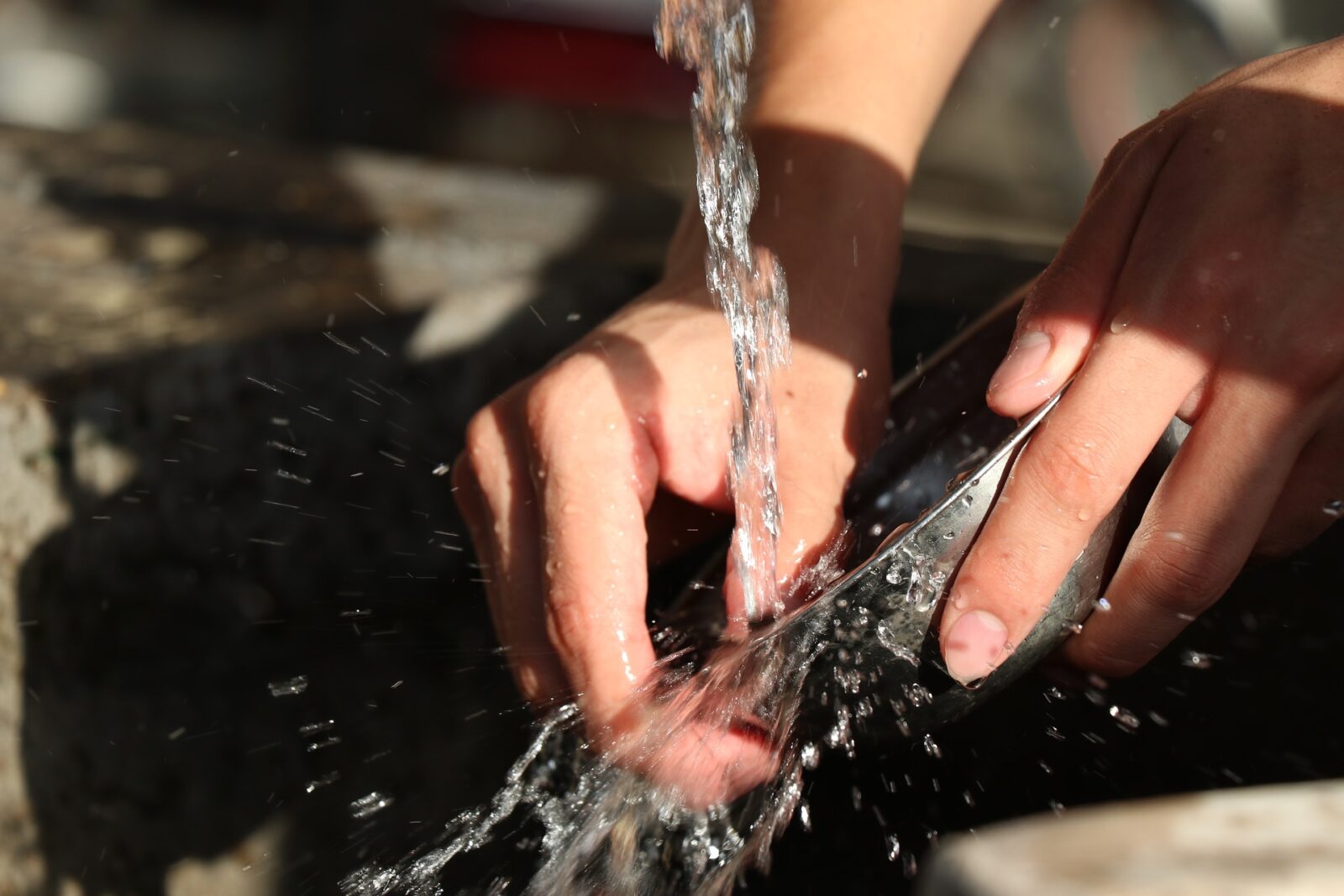
Restaurant kitchen cleaning does not only concern the aesthetic aspect but also and above all food hygiene and the prevention of possible contamination. For this reason, restaurants must adopt strict hygiene practices to avoid the spread of bacteria and other microorganisms harmful to the health of customers.
Restaurant kitchen cleaning must be a daily practice, which goes beyond the simple removal of visible dirt. In particular, it is essential to keep all kitchen surfaces, including appliances, equipment and utensils, clean and disinfected at all times.
Furthermore, cleaning staff must use specific cleaning products, such as disinfectants, degreasers and deodorants, in order to guarantee maximum hygiene and cleanliness.
In addition to daily restaurant kitchen cleaning, it is necessary to regularly carry out more thorough cleaning, which includes disinfestation, cleaning of ventilation ducts and replacement of ventilation system filters.
In conclusion, the cleanliness of a restaurant kitchen is an essential factor in ensuring the health and safety of customers and the success of the business. Therefore, it is important for restaurants to pay great attention to the cleanliness of their kitchen and adopt the right hygiene practices to avoid health problems.
You must not carry out cleaning operations that are unsatisfactory or even superficial.
Rules for perfect restaurant kitchen cleaning
Restaurant kitchen cleaning
Cleanliness and hygiene are fundamental elements to ensure food safety and customer health in a restaurant. However, cleanliness is not just a matter of aesthetics but is essential to avoid the spread of bacteria and viruses, which could cause diseases and infections.
To keep the restaurant clean and healthy, it is important to follow some general guidelines, such as: clean and disinfect work surfaces, equipment and utensils after each use; ensure that the ingredients are fresh and stored correctly; keep animals and insects away, and so on.
Restaurant kitchen cleaning
Furthermore, it is important that each kitchen staff member has clear instructions on how to handle cleaning tasks at certain times. For example, before the restaurant opens, kitchen staff should clean and disinfect all work surfaces, equipment and utensils used to prepare meals. During service, kitchen staff should maintain order and cleanliness in the kitchen, avoiding leaving dirty utensils or food waste lying around.
Restaurant kitchen cleaning
Furthermore, every evening, the kitchen staff should carry out a deep cleaning of the kitchen, bathrooms and common areas. This includes cleaning floors, disinfecting drains, cleaning refrigerators and freezers, cleaning pots and pans, cleaning walls and surfaces near cooking areas, and so on.
In summary, to keep a restaurant clean and healthy it is essential to have good organization and staff training, but also to adopt prevention measures to avoid the spread of bacteria and viruses. Always remember that cleanliness and hygiene are crucial elements to ensure customer satisfaction and the success of your restaurant.
Restaurant kitchen cleaning
- Before opening - disinfect all surfaces by cleaning with a soap solution (1 part bleach-water 3 parts tap water). If there are not enough sinks available, use paper towels instead; place them near the dispenser so that employees can take one when needed
- avoid the use of excessively aggressive cleaning solutions, such as ammonia, acetone or bleach as they could ruin the coatings of various kitchen tools and accessories.
- wash the utensils used several times
- prefer the use of natural products for cleaning accessories and surfaces
- always use gloves before starting cleaning
How to clean a restaurant kitchen?
Restaurant kitchen cleaning
Now we know the general rules to keep in mind before proceeding with the actual cleaning of the restaurant kitchen. Below are the various steps to carry out to carry out a correct cleaning operation.
Restaurant kitchen cleaning: the steps to take
- First of all you need to move all the objects and equipment inside the kitchen since only in this way will you be able to dedicate the right amount of attention and care to the cleaning process.
- Proceed with cleaning large equipment, such as: hood and extractor pipes. To clean these instruments it would be advisable to use a neutral, possibly natural, product. The advice in this case is to carry out this type of cleaning quite frequently.
From cleaning grills to cleaning floors
Restaurant kitchen cleaning
- Then you can move on to cleaning the grills. These must be soaked while proceeding with other cleansing activities.
- The grills and burners deserve specific attention. These tools are the ones that, along with pots and other similar utensils, deserve the most attention.
- Sanitizing worktops is undoubtedly another type of operation to carry out. Working on a well-sanitized work surface is certainly very important to ensure healthy preparation of each dish.
- The phase relating to cleaning the fridge is also very important. Food will be preserved much better in a well-maintained and carefully sanitized fridge.
- Finally we must not forget about cleaning the floors. The latter is an essential phase. It is advisable to use a neutral solution that is not too scented, but which can best sanitize the floors.
Cleaning the kitchen for perfect food hygiene
Cleaning the kitchen is a fundamental step to ensure maximum food hygiene. A clean and tidy environment is the minimum requirement to be able to work with food safely, avoiding risks of contamination and diseases. For this reason, it is necessary to dedicate a lot of attention and care to cleaning the kitchen, adopting precise and scrupulous procedures.
Firstly, it is important to keep the kitchen clean throughout the day, preventing food residues and grease from accumulating on worktops and stovetops. To do this, you need to constantly clean the work surface with a specific detergent and disinfect surfaces in contact with food, such as cutting boards and knives. Furthermore, it is important to keep the stove and oven clean and disinfected, preventing accumulated grease from becoming a breeding ground for bacteria and germs.
Restaurant kitchen cleaning: things to know
Secondly, you need to pay attention to the cleanliness of the utensils and equipment used in the kitchen, such as pots, pans and baking trays. After each use, this equipment must be washed with hot water and detergent, in order to remove any food residues and bacteria. Furthermore, it is important to disinfect utensils regularly, for example using a solution of water and peracetic acid.
Finally, it is important to pay attention to the cleanliness of the kitchen floor and walls. The floor must be washed with water and a specific detergent, avoiding the use of abrasive substances that could damage it. Furthermore, the walls must be cleaned with a disinfectant solution, to avoid the proliferation of bacteria and germs.
In conclusion, kitchen cleanliness is a fundamental aspect to ensure food hygiene and customer safety. Each step must be carried out with precision and care, avoiding the presence of bacteria and germs from compromising the quality of the service offered.Thanks to constant and scrupulous cleaning, you can guarantee a healthy and hygienic environment, where you can work safely and offer a quality service to your customers.
Restaurant kitchen cleaning: sanctions for failure to clean
Penalties for lack of hygiene and cleanliness in the kitchen may vary depending on local regulations and laws. In general, the competent authority could issue a violation notice or a cease and desist order, which provides for the temporary closure of the restaurant until hygiene compliance is restored. Furthermore, in case of serious violations, financial penalties or even the revocation of the operating license could be imposed.
Furthermore, the negative impact on the restaurant's reputation can be significant. Lack of hygiene and cleanliness in the kitchen can lead to foodborne illnesses, accidents or injuries to staff, which could cause significant loss of customers and damage the reputation of the business. This could have negative consequences on the restaurant's long-term sustainability.
Restaurant kitchen cleaning
For this reason, it is essential that restaurant owners and managers of catering businesses strive to ensure maximum hygiene and cleanliness within their kitchen, respecting all food safety regulations and guidelines.
The penalties for a restaurant business that does not comply with hygiene standards vary depending on the severity of the infringement and the legislation of the country in which the restaurant is located. In general, sanctions can range from temporary closure of the business to revocation of the business license. Additionally, the business may be fined or subjected to more frequent health checks.
Restaurant kitchen cleaning: necessary to avoid problems
Restaurant kitchen cleaning
In some cases, the infringement can also lead to criminal consequences, such as being reported for food fraud or poisoning people. This could cause irreparable damage to the restaurant's reputation and its ability to attract customers.
To avoid sanctions and negative consequences, it is essential that a catering business always maintains a high standard of hygiene and cleanliness, following all regulations required by law and adopting best practices to ensure food safety. A restaurant business that takes care of kitchen cleanliness also demonstrates that it respects and protects the health of its customers and is attentive to their restaurant experience.
Furthermore, keeping the kitchen clean and sanitized is not only a legal obligation, but also represents a competitive differentiator. A restaurant that guarantees a high level of hygiene and cleanliness can boast a positive image and attract a greater number of customers. Cleanliness is therefore an investment in the success of the restaurant business in the long term.
Comments
No comments yet. Be the first to comment!
Leave a Comment