
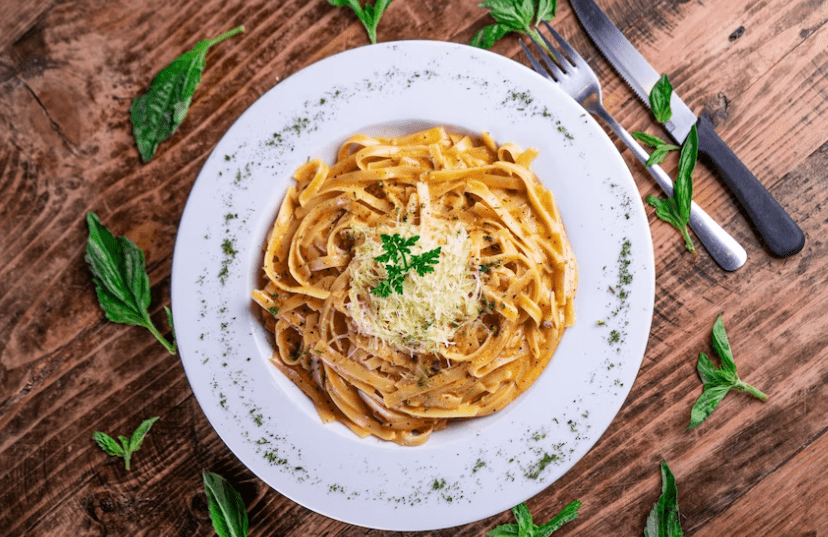
Mise en place, or the "arrangement" of ingredients on the table, has been a cooking technique that has been prevalent for centuries now. This aspect is seen by many as an integral part of good food and entertaining guests with ease while maintaining style points: it only takes a few minutes to prepare, you don't need much other than fresh produce from your garden!
The kitchen today has a dual purpose: to provide food but also to be the most popular space where the family gathers before informal gatherings become formal; these same kitchens often offer us clever decorative elements that can make any room come alive just with their presence (or lack thereof).
Mise en place is a French term meaning "in the right place". It is an essential part of cooking that enhances both taste and visual appeal. The more you place the ingredients on this table, or in front of any other dish for reference purposes - be it spices needed later down the lines of concentration with friends as an accompaniment at dinner parties; Quickly slice vegetables before stir-frying so that everything has time to heat through without cooling from being left uncovered.
Definitions of mise en place
Mise en place means that every element of your kitchen has a precise and correct position. This starts with the ingredients you use for cooking, then continues with any other items such as pots or pans; after that comes the strategy of how they will be used during the preparation time itself - this includes knowing when something needs more heat than others due to their material properties (like steel).
In restaurants, it is the practical function of mise en place that allows guests to enjoy their meal in complete comfort. Alongside this functional aspect there is also an aesthetic one that chooses the tablecloths, cutlery, plates and glasses as interpreters of your welcoming effort - just like they do at home!
What are the best tips for a perfect mise en place?
- To avoid making a common mistake, it is important to calculate the layout of your tables. If they are not planned properly or there is not enough space for everyone at the same time - the staff will have difficulty completing their work efficiently and the quality of food preparation will not improve - so that customers can understand what is happening easily on future visits too!
The best way to maximize the use of space is to place tables in diagonal rows. This will allow staff members to easily access multiple departments and prevent them from having too narrow a path between two service lines, meaning no one gets left behind! Tables should also be spaced at least 180cm apart when walking past them during meals – this gives the waiters on duty enough space without feeling cramped or unsafe as they deliver food directly into the hands of waiting customers.
- The table is the most important element in any restaurant. Without it, you have nothing to sit on and no place for customers! The right shape can be the one that best suits your environment - whether round or square; However, we recommend going with an elongated format instead of short sides, because this will make conversation between dining partners easier (everyone faces the center), thus creating more comfortable conditions overall between patrons eating at once together, as well as eliminating those annoying edges that are often annoying when looking directly across from someone else's plate onto yours.
- The tablecloth is another essential element for setting up a restaurant or catering event.The perfect arrangement includes:
A straight, stretched piece of fabric just the right length on all facing tables with one side centered and folded correctly in half to rest flat against your serving plates; this will ensure cleanliness at later stages during service, when staff are removing items from each plate and simultaneously wiping up any spills on paper towels used by waiters instead of wearing pristine white jackets as they do in upscale dining room settings!
Other tips for the perfect mise en place...
- The napkins are placed in the center, even on one side. Be careful not to handle them and also for hygienic reasons, as they can get dirty easily, but this will make them less slippery when you use them next time, which is especially important if there is a possibility that others may touch your hands while handling their crockery!
- When it comes to choosing and arranging your chairs, the first thing you should consider is how comfortable they will be. For example: do not have plastic seats or patterns on fabric upholstery because these materials can cause discomfort when sitting for long periods of time in one position; also make sure there is a good backrest with lumbar support!
- The arrangement of dishes depends on the type of approach a restaurant follows. This moment is fundamental for a good mise en place. Generally, it starts with the dish and then it's not strictly required but it gives an elegance to simply having everything laid out well as if they were waiting for someone special! The following dish should always be placed on its corresponding cup/saucer (depending). Finally pouring soup or consommé into bowls before eating allows guests to have more freedom when eating, as these items can easily get lost among other foods at times - so make sure there are extras nearby in case anyone wants an encore.
- Center the knife and fork along the edge of each plate, then place them 1cm from any edge. Forks should be placed on the left (with the blades facing downwards) while knives should be placed on the right; cheeses require their own specific utensil: A dessert spoon for creamy desserts like ice cream or pie filling.
A dessert fork is used when serving cake in smaller slices so that each bite has approximately the same amount of cheese/fruit sauce.
You might also be interested in: How to set the table. Some basic and non-basic rules
Read also this article
Comments
No comments yet. Be the first to comment!
Leave a Comment