
Takeaway container rules
Takeaway containers
Take-away containers. Thewar on disposable plastic objects and takeaway containers for the European Parliament pushes the search for biodegradable materials. These must be placed in your warehouse and replace your stocks.
The recent ban on single-use plastic has created a demand for sustainability, which will be met by eco-friendly alternatives such as biodegradables.
The attempt to solve this problem began with an initiative taken last year when MEPs voted to eliminate most non-essential office supplies from 2018 onwards, including pencil sharpeners or rulers because they are not needed during voting sessions, once one is sitting behind his desk work tasks involve reading documents aloud, so no eye contact would be lost if there was actually a need for help to find out something about legislation that is being discussed far away.
The European Parliament wants to rid the Earth of all plastic pollution, which is causing serious problems. They are struggling over what kind of replacement materials should be used for this war on disposable items and takeout containers - biodegradable or more sustainable?
Take-away containers

The containers are made of durable plastic and are available in different shapes. They can be used for food or drinks, depending on what you need!
The takeaway cups have been designed to look good and at the same time be practical at work with their elegant design elements such as handles that make it easy to carry, no matter how much weight is inside.
With their sturdy construction, plastic containers are the most common material for storing liquids. However this means that they can release harmful chemicals if heated or thrown away improperly - which means you should be careful to recycle them if possible!
Takeaway containers
Plastic is one of the most used materials on Earth, but it is also a great cause for concern.
Take-away containers
A new study from the World Wide Fund For Nature (WWF) has found that plastic is one of the most used materials on Earth, but it is also a major cause of concern. The organization surveyed 514 experts in 7 different countries about their attitudes towards five common consumer items made of single-use plastic: drinking cups; plates, knives and forks; shopping bags/boxes - all produced using a process called "single use".
All but two respondents felt negatively towards these products due to what was seen as an unnecessary level of exposure in our environment which can have adverse effects on both human health over time and animal populations if not disposed of properly afterwards.
Take-away containers
The production and use of plastic has increased steadily since World War II, when recycling programs were implemented to address war shortages caused by Japan bombing Pearl Harbor while America fought Germany abroad - which means these ponds or landfills that have held all this abandoned material aren't going anywhere anytime soon!

In the European Union starting from 2021 the sale of single-use plastic items will be banned. Such as cutlery, cotton buds for cleaning ears, plates, straws, drink mixers. (Coffee stirrers or cocktail sticks) and balloon sticks.
The proposal was approved by the Council of Ministers this week and will come into force on January 1, 2022 with some exceptions for medical devices or when durable goods such as straws must remain mandatory until at least 2030 because they are not always recyclable.These laws aim to reduce pollution across Europe, promoting sustainable solutions among its citizens who currently use over a billion tonnes every year!
Take-away containers
MEPs added expanded polystyrene fast-food containers and oxy-degradable plastic items (such as bags or packaging) to the list of banned plastics proposed by the Commission.
Take-away containers
The Eurochamber also declares war on cigarette butts which contain plastic, the quantity of which in waste must be reduced by 50% by 2025 and by 80% by 2030, with tobacco producers called upon to bear the costs of treatment and collection, including transport.
The organization is committed to helping reduce waste by using more sustainable materials in its products rather than excessive quantities or single-use plastics for example such as cups, straws, etc, which can be harmful if they end up littering our environment with flows that discharge into the oceans where wildlife also resides. It's also worth noting that this decision does not affect smokers enjoying one last smoke before calling the time of day because they will continue to be able to get replacement cartons just as easily while enjoying quality tar-based blends!
The same goes for manufacturers of fishing gear containing plastic, which will have to contribute to achieving a recycling target set at at least 15% by 2025.
Takeaway containers
Takeaway containers
Member States should also ensure that at least 50% of lost or abandoned fishing gear containing plastic is collected each year.
EU countries will also be responsible for reducing the consumption of plastic products for which there are no alternatives (disposable boxes for hamburgers and sandwiches and food containers for fruit and vegetables, desserts or ice cream) by 25% by 2025.
Other plastics, such as beverage bottles, will need to be collected separately and 90% recycled by 2025.
Take-away containers
The report's rapporteur, the Belgian liberal Frederique Ries, intends to open negotiations with the Council in November.
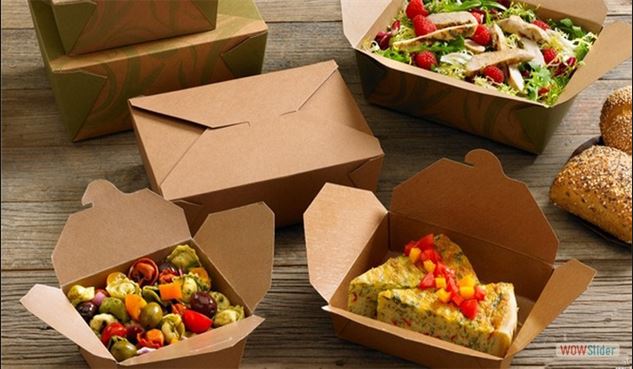
For the transport of cold foods, containers are available in IngeoTM (P.L.A.), for hot foods containers with hinged lid in pulp cellulose, both in the single-compartment version and in the two- and three-compartment versions.
If we talk about hot foods, there are containers with hinged lids in cellulose pulp in cardboard covered with a Mater-Bi film.
All we have to do is adapt the warehouse stocks to the takeaway containers made of biodegradable materials and insert them into the products to be purchased in our management program.
Comments
No comments yet. Be the first to comment!
Leave a Comment