
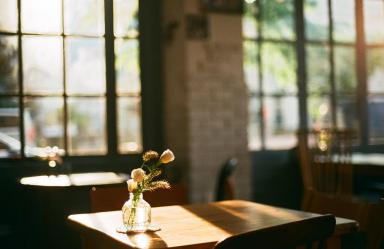
How to open a small restaurant. Small restaurants have many advantages over larger establishments. Small restaurants offer immediate ambience and convenience and are ideal for a concept such as a bar or bistro.
Smaller restaurants offer many advantages over larger ones. They are able to provide what is needed at the moment, whether it is an environment or convenience for their customers with these concepts such as bars and bistros on site too!
Small businesses have many factors that make them better than large corporations, including size; location can sometimes play into this too: smaller spaces allow for more intimate dining experiences, meaning people can feel more connected while eating at your establishment - both of which will increase customer loyalty and bring new faces through the doors, because everyone loves good food, right?
How to open a small restaurant
The size of a restaurant is often a determining factor in the type of food they serve. A small local restaurant will have a more personal feel than one that seats hundreds of people or has extensive decorating costs for the same space as another large chain, because it can be tailored specifically to meet your needs as an individual customer without being bound by square footage restrictions imposed by outside sources, such as landlords who would not allow them additional areas beyond their current capacity due to leases already signed with other tenants on site before considering adding new ones nearby, so long-term leases might.
They require less start-up capital for equipment, maintain fewer personnel, and cost less in terms of services and maintenance. Even with a small amount of seating, smaller restaurants can still produce consistent profits. But how to open a small restaurant?
Choosing the right location for a small restaurant
How to open a small restaurant
No matter how big a restaurant is, if you are thinking about opening, location is one of the most important factors (if not the most important factor) to consider. Not every available space is right for a restaurant. A good restaurant location is harder to find than some. What may seem like the perfect place - say a lively pedestrian street in the heart of Downtown - can turn out to be a real disaster. Other times a place you would never think of putting a restaurant – like in an old factory in a former industrial park is a success.
How to open a small restaurant: Planning a small room
How to open a small restaurant
Very small dining rooms, offering instant intimacy, can be a bit of a puzzle when it comes to fitting in all the necessary pieces. The dining room, no matter what type of concept you are planning, is the heart of your restaurant. A typical restaurant dining room design includes seating, wait stations and storage. While it may be tempting to cram more seating into the dining room than is comfortable, this only results in poor service, making it difficult for staff to maneuver between tables and difficult for customers to enjoy their meal.
The general rule with setting up restaurant tables is that each table should be between 24 and 30 inches apart. You may want to consider restaurant huts, as a pace-saving option in your dining room. Just like restaurant chairs, booths available in a variety of shapes, sizes and colors.
How to achieve success?
Good wine comes in small packages, at least that's what they say. Starting a small restaurant with few seats, selected staff and a kitchen that is not excessively spacious could be a winning choice.
This will only be possible if you manage the business excellently. Getting organized as best as possible in these cases is a must.The main objective must be to be able to provide an impeccable service even in limited space. The tables must be positioned neatly inside the rooms and the waiters must move easily between them.
Again, the layout and furnishings of such a place deserve special attention. It is advisable to create a welcoming and warm atmosphere where customers can feel at home. This is definitely the key to success.
Comments
No comments yet. Be the first to comment!
Leave a Comment